Colorectal Cancer Symptoms: Early Warning Signs, Causes, and Prevention

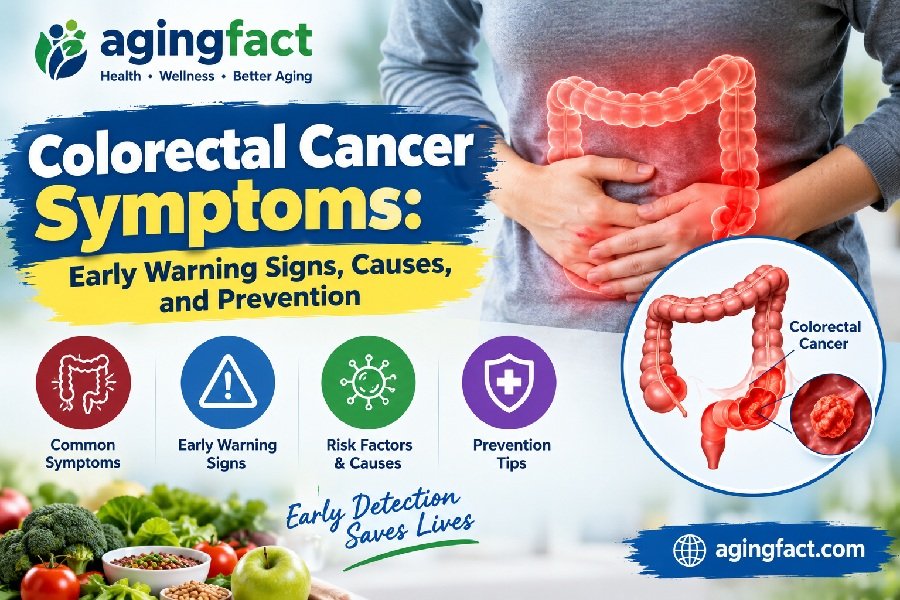
Colorectal cancer symptoms are important to recognize because early detection can improve treatment outcomes, Colorectal cancer’s develops in the colon or rectum which are parts of the large intestine, Although this condition is more common in more seasoned grown-ups it can too influence more youthful individuals. Understanding the caution signs, hazard components, and screening alternatives can offer assistance individuals take convenient activity to secure their health.
In the early stages, colorectal cancer may not cause any obvious side effects and typically why schedule screenings are vital. Schedule screenings can moreover be utilized to identify changes in bowel propensities. The World Wellbeing Organization (WHO) reports colorectal cancer to be one of the most prevalent cancers all through the world.
What Are Colorectal Cancer Symptoms?
Symptoms of colorectal cancer can be different for each individual. Some signs may occur gradually while others may happen quickly. Some of these symptoms may also be caused by various other conditions different from cancer, which is why it is important to be examined by a physician.
Some warning signs may include:
- Blood in the stool
- Chronic constipation or diarrhea
- Changes in bowel habits
- Stomach or abdominal pain
- Tiredness or weakness
- Unplanned weight loss
- Iron deficiency anemia
- A feeling of incomplete emptying of the bowel
These symptoms do not necessarily mean that a person has cancer’s however if these symptoms are occurring and are chronic it is important to consult’s with your physician to determine the cause.
Early Signs of Colorectal Cancer
Recognizing colorectal cancer signs helps people seek immediate medical help, Symptoms usually appear at an advanced stage of colorectal cancer. Early-stage cancer may not show any signs.
1. Blood in Stool
There may be blood in the stool in the form of tiny specks of blood, or the stool may be dark and tarry. Many conditions including anal fissures and hemorrhoids may cause rectal bleeding. Unexplained or persistent bleeding requires medical evaluation.
2. Changes in Bowel Habits
It is important’s to pay attention to changes in bowel habits, Persistent diarrhea constipation, and narrowing of stools may be a warning sign. A change in frequency of bowel movements may be a sign of a problem.
3. Abdominal Pain and Bloating
Cramps in the abdomen and bloating may occur in people with colorectal cancer, along with other non-specific symptoms.
4. Weight Loss
Weight loss is always a concern and requires medical evaluation. If you have unintentional weight loss, along with digestive symptoms, it is a good idea to see your doctor.
5. Fatigue and Weakness
Fatigue and weakness may be signs of anemia, Bleeding in the digestive tract may cause iron-deficiency anemia.
What Causes Colorectal Cancer?
Cancer starts when there is an abnormal growth’s of cells in a part of the body’s. Some cancers develop from polyps, but not all polyps turn into cancer.
Certain factors can increase the chance of getting this disease. They are:
- Age. The risk goes up as a person gets older.
- Family history. There is more risk if there is a family history of this type of cancer.
- Personal medical history. There is more risk if a person has a history of colon polyps, or certain types of inflammatory bowel disease.
There are certain lifestyle factors that increase the risk of getting this cancer. These include:
- being physically inactive
- being overweight or obese
- smoking
- excessive alcohol consumption
Eating lots of processed meat and not enough fruits and vegetables can also increase the risk.
Having a risk factor does not mean a person will get this cancer. A family history of this type of cancer may mean a person needs to have screening exams at an earlier age.
How is Colorectal Cancer Diagnostic?
Screening can find colorectal cancer’s or precancerous growths before symptoms appear, Depending on the symptoms a person may have, and local medical guidance, a doctor may suggest screening tests or a colonoscopy.
To diagnose this type of cancer, a doctor does a colonoscopy. During this test, the doctor can remove any abnormal growths, and get a tissue sample to be tested.
It is suggested that average-risk adults begin colorectal cancer screening at age 45. In other countries and for people at higher risk, the recommendation may be different. People with symptoms should see a doctor, even if it is before their next scheduled screening.
How to Decrease Risk of Colorectal Cancer?
Although not every case of this cancer can be prevented, there are steps to take that may decrease risk, and promote well-being in general. Eating a diet with lots of fruits and vegetables, and not eating too much processed meat can help decrease the risk.
- Be active. Limit sedentary behavior.
- Maintain a healthy weight.
- Do not use tobacco.
- Limit alcohol.
- Review your screening recommendations with your provider.
- Tell your provider if you have a history of colorectal cancer.
Healthy habits are beneficial but they don’t take the place of recommended screening.
When Should You See a Doctor?
Contact your provider if you have symptoms of blood in your stool changes in bowel habits that last more than a few days ongoing abdominal pain, unexplained weight loss or persistent fatigue, Blood’s in the stool may be serious and require immediate care. Black, dark red, or maroon stools, and bloody diarrhea may also require immediate care.
Don’t assume any of these symptoms are due to cancer, but do not ignore them. A provider can check you and recommend further tests if needed.
Frequently Asked Questions (FAQs)
1. What are the most common colorectal cancer symptoms?
Common symptoms include blood’s in the stool persistent changes in bowel habits abdominal discomfort, unexplained weight loss and fatigue.
2. Can colorectal cancer occur without symptoms?
Precancerous polyps and cancer can occur without symptoms. Symptoms may appear only at an advanced stage.
3. Is blood in the stool always a sign of colorectal cancer?
Not always, Many other conditions can cause blood in the stool’s including hemorrhoids and diverticulosis. If you notice blood’s in your stool or it is happening repeatedly, consult your doctor.
4. At what age should colorectal cancer’s screening begin?
The recommendation in the United States is to begin screening at age 45 for average risk individuals,. Recommendations may vary depending on individual circumstances.
5. Can lifestyle changes reduce colorectal cancer’s risk?
It may help to exercise and eat a healthy diet to maintain a healthy weight, Furthermore, avoiding tobacco and limiting alcohol can reduce the risk, in addition to following screening guidelines.
Conclusion
Understanding Colorectal Cancer’s Symptoms can help people recognize potential warnings signs and seek medical care promptly, Bloods within the stool changes in bowel propensities stomach inconvenience unexplained weights, misfortune and determined weariness merit consideration particularly when they continue or occur together
Regular screening, awareness of personal risk’s factors and sound lifestyle choices can support avoidance and early discoverys. In the event’s that you notice’ concerning symptoms consult a qualified healthcare proficient rather than relying on self-diagnosis.
For more wellbeing mindfulness, solid maturing, and wellness information, visit AgingFact.com.