
Keto Diet Plan: 7-Day Meal Plan, Foods, Best Benefits, Risks & Beginner Guide

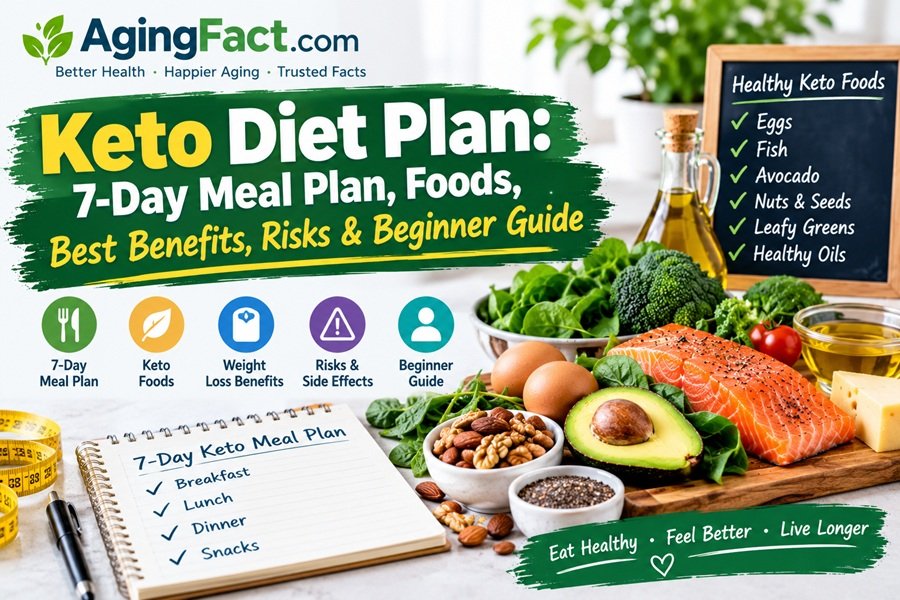
A keto diet plan is a very low-carbohydrate, higher-fat eating pattern designed to shift the body toward using more fat and ketones for energy. It has become popular among people looking for weight-management strategies, but the ketogenic diet is more than simply cutting out bread and sugar.
A well-planned keto diet needs to provide adequate protein, vegetables, healthy fats, vitamins, minerals, and fiber while keeping carbohydrate intake low enough to promote nutritional ketosis.
Research suggests that ketogenic diets can support short-term weight loss for some adults, although the long-term advantages compared with other sustainable dietary approaches are less certain. A recent systematic review found a small additional weight-loss effect under comparable prescribed energy conditions, but the researchers rated the certainty of evidence as low and noted limitations in the available studies.
This guide explains how a keto diet plan works, what foods to eat, what foods to avoid, a sample 7-day meal plan, possible benefits and side effects, and important safety considerations.
Health note: A ketogenic diet is not appropriate for everyone. People with diabetes, kidney or liver disease, a history of eating disorders, those who are pregnant or breastfeeding, and people taking certain medications should discuss major dietary changes with a qualified healthcare professional.
What Is a Keto Diet?
The keto diet, short for ketogenic diet, is an eating pattern that greatly reduces carbohydrate intake while increasing the proportion of calories coming from fat.
Under ordinary conditions, the body commonly relies heavily on glucose derived from carbohydrates for energy. When carbohydrate intake is reduced substantially, the body has less glucose available and increases its use of stored and dietary fat. The liver produces compounds called ketones, which can be used as an energy source.
The metabolic state in which ketone production increases is called ketosis.
The exact composition of a ketogenic diet can vary. A commonly used ketogenic pattern provides a very small proportion of calories from carbohydrates, with most calories coming from fat and a moderate amount from protein.
A keto diet is therefore different from simply eating “low carb.” Some low-carbohydrate diets allow considerably more carbohydrates than a strict ketogenic diet.
How Does a Keto Diet Plan Work?
A typical keto diet plan limits foods that are rich in carbohydrates, such as:
- Sugar
- Sweets
- Soft drinks
- Bread
- Rice
- Pasta
- Potatoes
- Many cereals
- Cakes and pastries
- Many processed snack foods
Instead, meals are built around foods such as:
- Eggs
- Fish
- Chicken
- Meat
- Tofu
- Avocado
- Nuts and seeds
- Olive oil
- Non-starchy vegetables
- Full-fat dairy products, when tolerated
When carbohydrate intake becomes sufficiently low, the body may enter nutritional ketosis.
The goal is not simply to eat as much fat as possible. Food quality still matters. A keto diet dominated by processed meats, butter, fried foods, and highly processed products may have a very different nutritional profile from one centered on fish, olive oil, nuts, seeds, vegetables, and minimally processed foods.
Keto Diet Plan for Beginners
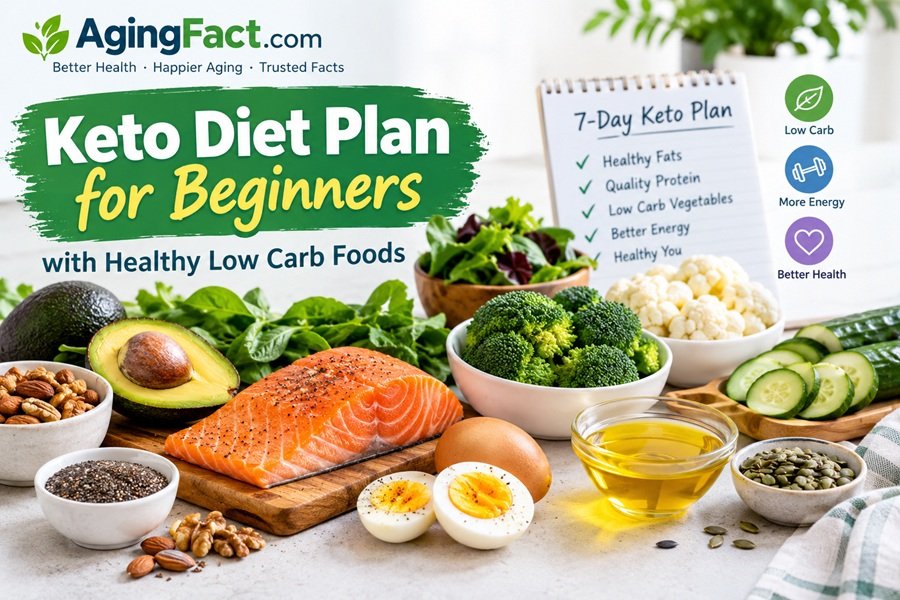
Starting a keto diet can feel difficult because many common foods contain carbohydrates.
A beginner-friendly approach is to first identify the foods that will form the foundation of meals.
Step 1: Choose a Protein Source
Include a suitable protein source at meals, such as:
- Eggs
- Chicken
- Fish
- Lean or unprocessed meat
- Tofu
- Paneer, depending on your carbohydrate target
- Unsweetened Greek yogurt
Protein should not automatically be unlimited. Very high protein intake may not fit some versions of a ketogenic diet.
Step 2: Add Low-Carbohydrate Vegetables
Vegetables are important because they provide fiber and micronutrients.
Good choices include:
- Spinach
- Broccoli
- Cauliflower
- Cabbage
- Cucumber
- Zucchini
- Mushrooms
- Lettuce
- Bell peppers in appropriate portions
- Green beans
Step 3: Include Healthy Fats
Examples include:
- Olive oil
- Avocado
- Nuts
- Seeds
- Nut butters without added sugar
- Fatty fish
The type of fat matters. Choosing mostly unsaturated fat sources can help make the eating pattern more nutritionally balanced.
Step 4: Limit High-Carbohydrate Foods
The foods most likely to interfere with ketosis include sugar, grains, sugary drinks, sweets, and large portions of starchy vegetables.
7-Day Keto Diet Plan
The following is a general example, not an individualized prescription. Portion sizes should be adjusted according to a person’s energy needs, health status, dietary preferences, and goals.
Day 1
Breakfast:
Eggs with spinach and avocado.
Lunch:
Grilled chicken salad with lettuce, cucumber, olive oil, and a small portion of cheese.
Snack:
A small serving of unsalted nuts.
Dinner:
Grilled fish with sautéed zucchini and broccoli.
Day 2
Breakfast:
Unsweetened Greek yogurt with a small serving of chia seeds and walnuts.
Lunch:
Paneer with mixed low-carbohydrate vegetables.
Snack:
Cucumber slices with a suitable unsweetened dip.
Dinner:
Chicken cooked with vegetables and olive oil.
Day 3
Breakfast:
Omelet with mushrooms, spinach, and cheese.
Lunch:
Tuna or grilled fish salad with leafy greens and avocado.
Snack:
A small portion of almonds.
Dinner:
Tofu or chicken with cauliflower and green vegetables.
Day 4
Breakfast:
Scrambled eggs with mushrooms and spinach.
Lunch:
Chicken lettuce salad with avocado and olive oil.
Snack:
Walnuts or pumpkin seeds.
Dinner:
Fish with broccoli, cauliflower, and a side salad.
Day 5
Breakfast:
Eggs with avocado and sautéed vegetables.
Lunch:
Paneer and vegetable bowl using low-carbohydrate vegetables.
Snack:
Unsweetened Greek yogurt, if it fits your carbohydrate target.
Dinner:
Chicken with zucchini and leafy greens.
Day 6
Breakfast:
Omelet with spinach, mushrooms, and cheese.
Lunch:
Grilled fish with salad and avocado.
Snack:
A small portion of mixed nuts.
Dinner:
Tofu or chicken with broccoli and cauliflower.
Day 7
Breakfast:
Eggs with spinach and avocado.
Lunch:
Chicken salad with cucumber, lettuce, and olive oil.
Snack:
Chia seeds with unsweetened yogurt.
Dinner:
Grilled fish with green vegetables and salad.
This sample plan can be adapted for vegetarian diets, Indian meals, or other cuisines, but carbohydrate content should be checked carefully.
Keto Diet Foods to Eat
A good keto diet plan should emphasize nutrient-dense foods rather than simply high-fat foods.
Eggs
Eggs are versatile and provide protein and several important nutrients.
Fish
Fatty fish such as salmon, sardines, and mackerel provide protein and omega-3 fatty acids.
Chicken
Chicken can be used in salads, soups, grilled meals, and other low-carbohydrate dishes.
Non-Starchy Vegetables
Leafy greens, broccoli, cauliflower, zucchini, cucumber, mushrooms, and cabbage can add fiber and micronutrients while keeping carbohydrate intake relatively low.
Avocado
Avocado provides fat and fiber and can be added to salads or eaten alongside meals.
Nuts and Seeds
Almonds, walnuts, chia seeds, flaxseeds, and pumpkin seeds can provide healthy fats, protein, and fiber. Portions still matter because nuts and seeds are calorie-dense.
Olive Oil
Olive oil can be used for salad dressings and cooking and is rich in monounsaturated fat.
Unsweetened Dairy
Some people include Greek yogurt, cheese, cream, or other dairy products depending on their carbohydrate tolerance and dietary needs.
Foods to Limit or Avoid on a Keto Diet
Strict ketogenic diets generally restrict many carbohydrate-rich foods.
Sugary Foods
Examples include:
- Candy
- Cookies
- Cakes
- Ice cream
- Sweetened desserts
Sugary Drinks
Soft drinks, sweetened juices, energy drinks, and sweetened tea or coffee can contain substantial amounts of sugar.
Grains
Common grain-based foods include:
- Wheat bread
- Rice
- Pasta
- Breakfast cereals
- Many baked products
Starchy Vegetables
Large portions of potatoes and similar starchy foods may not fit a strict ketogenic diet.
Refined Snack Foods
Chips, crackers, packaged sweets, and other refined snacks can make it difficult to maintain a low carbohydrate intake.
Keto Diet Plan for Weight Loss
Weight loss is one of the main reasons people search for a keto diet plan.
A ketogenic diet may help some people lose weight, particularly in the short term. Reduced carbohydrate intake can affect appetite, food choices, water balance, and total energy intake.
However, ketosis itself does not guarantee long-term weight loss.
A recent systematic review and meta-analysis found that ketogenic diets may produce a small additional reduction in body weight compared with higher-carbohydrate diets when prescribed energy intake is comparable. However, the researchers emphasized that the evidence was predominantly short-term and that certainty was low.
This means a keto diet should not be presented as a guaranteed or universally superior weight-loss method.
For long-term results, the most important factor is usually whether a person can follow the eating pattern consistently while meeting nutritional needs.
Does Keto Help Reduce Appetite?
Some people report feeling less hungry while following a ketogenic diet.
Possible reasons include the higher protein and fat content of meals, changes in food choices, and metabolic changes associated with carbohydrate restriction.
However, appetite responses vary from person to person.
A diet that feels satisfying and sustainable may be easier to maintain than one that causes persistent hunger, food cravings, or social difficulties.
Potential Benefits of a Keto Diet
Research into ketogenic diets has investigated several potential health effects.
Weight Management
Some studies indicate that ketogenic diets can produce weight loss, particularly over shorter periods.
However, evidence about long-term superiority over other healthy dietary patterns remains uncertain. A recent review of ketogenic diets in adult obesity concluded that short-term benefits may occur, while long-term advantages over other dietary approaches remain unclear.
Blood Sugar Management
Reducing carbohydrate intake can substantially reduce the amount of dietary carbohydrate entering the bloodstream.
Some people with diabetes may experience changes in blood glucose when carbohydrate intake is reduced. However, this does not mean that people with diabetes should independently start a strict ketogenic diet or change medication doses.
Diabetes medicines, particularly insulin and certain other medications, can require careful management when diet changes significantly.
Seizure Management
The ketogenic diet has a well-established medical role in certain forms of epilepsy.
The classic therapeutic ketogenic diet is prescribed and monitored by healthcare professionals, particularly for some children whose seizures do not respond adequately to medication.
This medically supervised ketogenic diet should not be confused with a general internet weight-loss diet.
Possible Side Effects of a Keto Diet
Some people experience side effects when significantly reducing carbohydrate intake.
Possible problems include:
- Constipation
- Headache
- Fatigue
- Muscle cramps
- Nausea
- Digestive discomfort
- Bad breath
- Difficulty maintaining the diet
- Nutrient deficiencies if food choices are poorly planned
Some people describe the early symptoms as the “keto flu.” This is not a formal medical diagnosis, but the term is commonly used to describe temporary symptoms experienced by some people when making a major dietary change.
Adequate fluid intake and a nutritionally balanced diet are important, but people should not automatically take large amounts of electrolytes or supplements without considering their individual health situation.
Keto Diet and Fiber
One challenge with a restrictive keto diet is getting enough fiber.
Many high-fiber foods, including whole grains, beans, lentils, and many fruits, contain carbohydrates and may be limited on a strict ketogenic diet.
This makes careful vegetable selection important.
Low-carbohydrate vegetables, seeds, nuts, and other suitable foods can contribute fiber.
If constipation becomes persistent, speak with a healthcare professional or dietitian rather than simply increasing supplements.
Keto Diet and Cholesterol
The effect of a ketogenic diet on cholesterol can vary depending on the foods chosen and individual biology.
A diet high in saturated fat from foods such as butter, fatty processed meats, and some high-fat dairy products may affect LDL cholesterol in some people.
For this reason, a keto diet should not be interpreted as permission to consume unlimited saturated fat.
A more nutrient-conscious approach can emphasize foods such as:
- Olive oil
- Avocado
- Nuts
- Seeds
- Fish
- Vegetables
People with high cholesterol or cardiovascular risk should discuss major dietary changes with their healthcare professional.
Is Keto Safe for Everyone?
No.
A ketogenic diet can be inappropriate or require medical supervision for some people.
Extra caution is important for individuals with:
- Diabetes
- Kidney disease
- Liver disease
- Certain metabolic disorders
- Gallbladder problems
- A history of eating disorders
- Pregnancy
- Breastfeeding
- Certain medication regimens
People with diabetes should be particularly careful about making major carbohydrate changes without professional guidance.
NIDDK explains that people with diabetes can face serious problems related to ketones and diabetic ketoacidosis when there is insufficient insulin, and medication management may be important.
Keto Diet vs Low-Carb Diet
These terms are sometimes used interchangeably, but they are not identical.
A low-carb diet can allow substantially more carbohydrates.
A ketogenic diet is much more restrictive and aims to produce nutritional ketosis.
The distinction matters because a person can follow a low-carbohydrate diet without necessarily being in ketosis.
The appropriate carbohydrate level depends on the specific dietary approach and individual circumstances.
Keto Diet for Vegetarians
A vegetarian keto diet is possible but requires planning.
Potential foods include:
- Eggs
- Tofu
- Paneer
- Cheese
- Unsweetened Greek yogurt
- Avocado
- Nuts
- Seeds
- Olive oil
- Low-carbohydrate vegetables
Vegetarians should pay attention to protein, iron, vitamin B12, calcium, and other nutrients.
A registered dietitian can help create a vegetarian ketogenic plan that meets nutritional requirements.
Keto Diet for Indian Food
People following Indian cuisine can adapt many meals to a lower-carbohydrate pattern.
Possible options include:
- Paneer with non-starchy vegetables
- Egg dishes
- Tofu-based meals
- Fish with vegetables
- Chicken with leafy greens
- Cauliflower-based dishes
- Cucumber and leafy salads
- Unsweetened yogurt in appropriate portions
Foods such as rice, roti, naan, potatoes, sweets, and many traditional grain-based dishes contain significant carbohydrates and may need to be limited on a strict keto diet.
Portion sizes and preparation methods are important.
Common Keto Diet Mistakes
Mistake 1: Eating Too Much Processed Meat
A keto label does not automatically make processed meat a healthy choice.
Mistake 2: Ignoring Vegetables
Removing carbohydrates should not mean removing vegetables.
Mistake 3: Eating Unlimited Calories
Fat is energy-dense. Large portions can make it easy to consume more calories than intended.
Mistake 4: Forgetting Fiber
Low-carbohydrate diets still need thoughtful fiber sources.
Mistake 5: Drinking Sugary Beverages
Liquid sugar can quickly increase carbohydrate intake.
Mistake 6: Changing Diabetes Medication Without Advice
This can be dangerous. Medication changes should be handled with a healthcare professional.
Mistake 7: Expecting Instant Results
Changes in body weight during the first days can include shifts in water balance, not simply body-fat loss.
How to Make a Keto Diet Plan More Sustainable
A sustainable keto diet should be based on realistic habits.
Plan Meals in Advance
Preparing meals can reduce dependence on high-carbohydrate convenience foods.
Keep Healthy Foods Available
Having eggs, vegetables, nuts, seeds, fish, chicken, tofu, or other suitable foods available can make healthy choices easier.
Focus on Food Quality
Do not judge a food only by its carbohydrate content. Consider protein, fiber, micronutrients, fat quality, and degree of processing.
Track Your Response
If you are following keto for weight management, monitor progress over time rather than reacting to daily fluctuations.
Get Professional Advice When Needed
A registered dietitian or healthcare professional can help you determine whether the diet fits your health needs.
Frequently Asked Questions About Keto Diet Plans
What is a keto diet plan?
A keto diet plan is a very low-carbohydrate, higher-fat eating pattern designed to encourage the body to produce and use ketones for energy.
What can I eat on keto?
Common choices include eggs, fish, chicken, tofu, non-starchy vegetables, avocado, nuts, seeds, olive oil, and selected dairy products.
What foods should I avoid on keto?
Strict keto diets generally limit sugar, sweets, sugary drinks, bread, rice, pasta, cereals, and many starchy foods.
Can a keto diet help with weight loss?
It can help some people lose weight, particularly in the short term. However, current evidence does not establish that keto is universally superior to other sustainable dietary approaches for long-term weight management.
How quickly does ketosis begin?
The timing varies depending on carbohydrate intake, activity, individual metabolism, and other factors. There is no single number of days that applies to everyone.
Is keto safe for people with diabetes?
It may be appropriate for some people under medical supervision, but it can also create medication and blood-glucose management issues. People with diabetes should discuss a major carbohydrate reduction with their healthcare professional before starting.
Can vegetarians follow keto?
Yes, but careful planning is important to ensure adequate protein, fiber, vitamins, and minerals.
Can I eat fruit on keto?
Some fruits contain enough carbohydrate that large portions may not fit a strict ketogenic diet. Small portions of lower-carbohydrate fruits may sometimes be incorporated depending on an individual’s carbohydrate target.
Is keto suitable for long-term use?
The evidence on long-term benefits and risks is less certain than the evidence for short-term outcomes. A recent review found that long-term advantages over other dietary approaches remain unclear.
Is the keto diet medically used?
Yes. Therapeutic ketogenic diets are used for certain forms of epilepsy, particularly under medical and dietitian supervision.
Final Thoughts
A keto diet plan can be an effective dietary approach for some people, particularly when it helps them control food intake and maintain a calorie deficit. Research indicates that ketogenic diets can produce short-term weight loss, although evidence about their long-term superiority over other healthy eating patterns is less certain.
The healthiest approach is not simply to replace carbohydrates with unlimited amounts of butter, processed meat, or other high-fat foods. A thoughtful keto plan should include adequate protein, low-carbohydrate vegetables, fiber sources, healthy fats, and appropriate portions.
People with medical conditions or those taking medication should obtain professional advice before making a major dietary change.
Ultimately, the best eating pattern is one that supports nutritional needs, fits a person’s lifestyle, and can be followed safely and consistently over time.
